Women in martial arts have made significant strides over the decades, transforming the landscape of combat sports and self-defense. Their journey has not only been about participation but also about breaking barriers and challenging societal norms. From trailblazing female warriors in ancient cultures to modern champions, women’s presence in martial arts reflects a broader narrative of empowerment and resilience.
As we delve into this topic, we’ll explore the rich history of women’s involvement in martial arts, the current trends shaping their participation, and the ongoing advocacy for equality and representation within the community. This exploration highlights the evolution of female martial artists and the vital contributions they continue to make across various disciplines.
History of Women in Martial Arts
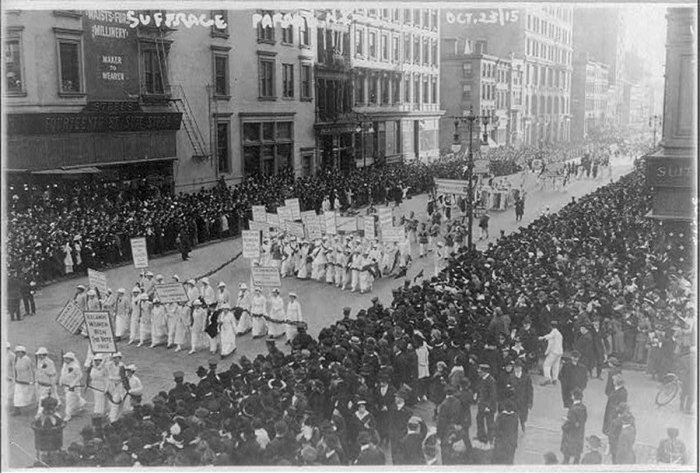
The journey of women in martial arts has been one of resilience, breaking barriers, and redefining societal norms. Over the decades, female participation in martial arts has evolved significantly, transitioning from limited involvement to a dynamic presence across various disciplines. This narrative is not only about the sport but also reflects broader cultural shifts regarding women’s roles and capabilities in society.In the early days, martial arts were predominantly male-dominated, with women often excluded from formal training and competitions.
However, the 20th century saw a gradual yet impactful change. The 1960s and 1970s marked the beginning of a more inclusive era, as women started to gain recognition and take active roles in martial arts training and competitions. The emergence of iconic figures such as Linda G. F. M.
Lee and Jean Jacques Machado, who not only trained but also established their schools, played a pivotal role in inspiring future generations.
Prominent Female Martial Artists and Their Contributions
Several women have made indelible marks in the martial arts world, pushing the boundaries of the sport and paving the way for others. Their contributions extend beyond mere participation, influencing the development of martial arts styles and promoting inclusivity.
- Ronda Rousey: A trailblazer in mixed martial arts (MMA), Rousey became the first female fighter to sign with the UFC. Her success helped mainstream women’s MMA, bringing significant visibility and recognition to female athletes.
- Michelle Waterson: Known as the “Karate Hottie,” Waterson has been instrumental in popularizing women’s kickboxing and MMA. Her success in various competitions and her sportsmanship have inspired many aspiring female martial artists.
- Gina Carano: Often credited with elevating women’s roles in MMA, Carano’s transition from competing to acting showcased the potential for female martial artists beyond the ring.
- Ann Maria DeMars: A black belt in judo and mother of Ronda Rousey, DeMars was a pioneer for women in judo, advocating for female participation and breaking barriers in competitions.
The cultural and societal changes that have influenced women’s roles in martial arts cannot be overstated. The feminist movements of the 1970s and 1980s played a critical role in promoting gender equality, encouraging more women to pursue martial arts. Additionally, increased media coverage and representation of female athletes have contributed to a greater acceptance and celebration of women in sports.
“Women’s participation in martial arts is not just about skill; it’s a testament to their strength, resilience, and the ongoing fight for equality.”
As societal attitudes continue to evolve, women’s roles in martial arts are being embraced and celebrated, showcasing their abilities and accomplishments on global stages. The landscape of martial arts is forever changed, thanks to the courage and determination of these remarkable women.
Current Trends and Developments
The landscape of martial arts has been evolving significantly, particularly regarding the participation of women across various disciplines. In recent years, there has been a notable surge in female practitioners, instructors, and leaders within the martial arts community. This growth reflects a broader societal shift towards gender equality and empowerment, encouraging more women to engage in physical activities that promote self-defense, fitness, and personal development.Despite the positive trends, women in martial arts still encounter several challenges, from gender stereotypes to access and representation in competitive settings.
Various organizations and communities are actively working to address these issues, making martial arts more inclusive and supportive for female practitioners.
Increasing Participation of Women in Martial Arts
The participation of women in martial arts is on the rise, with many joining disciplines such as Karate, Judo, and Taekwondo. This trend can be attributed to several motivating factors, including the desire for self-defense skills, fitness benefits, and the growing visibility of female role models in martial arts. To illustrate this trend, here is a comparative table reflecting women’s representation in different martial arts styles:
| Martial Arts Style | Percentage of Female Practitioners | Notable Female Figures |
|---|---|---|
| Karate | 30% | Rika Usami, Eri Tosaka |
| Judo | 40% | Yoko Zouma, Kayla Harrison |
| Taekwondo | 35% | Steven Lopez, Hwang Kyung-Seon |
This data highlights the increasing involvement of women in these martial arts styles, indicating a positive trend towards greater representation.
Challenges Faced by Women in Martial Arts
While the increase in participation is encouraging, women still face specific challenges within martial arts that need addressing. Some of the prominent issues include:
Stereotypes and Bias
Women often face societal stereotypes that question their strength and ability in martial arts, which can deter them from participation.
Access to Training Facilities
In some regions, women may have limited access to training spaces, particularly if these venues are male-dominated.
Representation in Competition
Women’s events may receive less media coverage and sponsorship compared to men’s events, impacting visibility and support.To combat these challenges, various initiatives aim to empower women in martial arts. These include mentorship programs, female-only training camps, and awareness campaigns that promote gender equality in sports.
“Empowering women through martial arts not only builds confidence, but it also fosters a sense of community and resilience.”
Legal Issues and Advocacy
The landscape of legal protections for women in martial arts is evolving, reflecting broader societal shifts towards gender equality. Anti-discrimination laws play a critical role in safeguarding women’s rights and ensuring equal access to training, competitions, and facilities. Understanding these legal frameworks is essential for promoting a fair and inclusive environment in the martial arts community.Legal protections for women in martial arts range from general anti-discrimination laws to specific regulations aimed at ensuring equality in sports.
In many countries, legislation prohibits gender discrimination in education and athletics, providing women the right to participate in all levels of martial arts. Title IX in the United States, for example, mandates equal treatment for women in educational institutions, which extends to sports programs, including martial arts.
Organizations Advocating for Women’s Rights in Martial Arts
Numerous organizations are dedicated to promoting women’s rights within the martial arts community. These organizations work to provide resources, support, and advocacy for female martial artists while also striving to address gender inequality. Here are some notable organizations:
- Women’s Sports Foundation: Focuses on creating equitable opportunities for women in sports, including martial arts, and offers grants and educational programs.
- Girls in Gis: Aimed at empowering girls through Brazilian Jiu-Jitsu, offering classes and mentorship to foster a supportive community.
- International Women’s Martial Arts Federation: Promotes women’s participation in martial arts globally, providing training opportunities and forums for discussion on gender issues.
- Women’s Martial Arts Network: Provides a platform for women in martial arts to connect, share experiences, and advocate for their rights.
The actions of these organizations not only promote participation but also raise awareness about the unique challenges women face in martial arts, fostering a culture of support and inclusion.
Notable Cases Highlighting Gender Issues in Martial Arts
Various incidents have brought attention to gender issues within the martial arts community, highlighting the ongoing challenges women encounter. Some notable cases include:
- Ronda Rousey vs. Dana White: Rousey’s rise in Mixed Martial Arts (MMA) challenged the perception of women in combat sports. Despite initial skepticism from promoters, her success paved the way for greater acceptance and visibility of female fighters in the UFC.
- Sexual Harassment in Dojos: Several reported cases of inappropriate behavior by instructors towards female students have led to increased scrutiny and calls for stricter policies to protect women in training environments.
- Disparity in Prize Money: Female fighters have historically received less prize money compared to their male counterparts, sparking debates and movements advocating for equal pay in martial arts competitions.
These cases illustrate the ongoing need for advocacy and legal protections to ensure that women are treated fairly and respectfully within the martial arts community. The highlighted issues serve as reminders of the work that remains to be done in pursuit of gender equity in martial arts.
Summary
In conclusion, the story of women in martial arts is one of empowerment, advocacy, and ongoing evolution. As more women engage in various martial arts disciplines, they not only enhance their skills but also inspire future generations to pursue their passions fearlessly. The journey is far from over, and with continued support and recognition, the future of women in martial arts looks promising and bright.
Common Queries
What are some famous female martial artists?
Some notable female martial artists include Ronda Rousey, Michelle Waterson, and Valentina Shevchenko, who have made significant impacts in their respective fields.
How can women get started in martial arts?
Women can start by researching local martial arts schools, attending introductory classes, and finding a supportive community that encourages their participation.
Are there specific martial arts styles that are more popular among women?
Styles like Karate, Taekwondo, and Brazilian Jiu-Jitsu have gained popularity among women due to their emphasis on self-defense and fitness.
What are common challenges women face in martial arts?
Common challenges include gender bias, lack of representation, and accessibility to training resources, which are gradually being addressed by various organizations.
How has the legal landscape changed for women in martial arts?
Legal protections have improved over the years, with anti-discrimination laws and advocacy organizations working to promote equal rights and opportunities within martial arts.